The Healing Power of Sceletium: South Africa’s Ancient Plant Ally for Modern Mental Health

The Healing Power of Sceletium: South Africa’s Ancient Plant Ally for Modern Mental Health

What Is Sceletium Tortuosum?

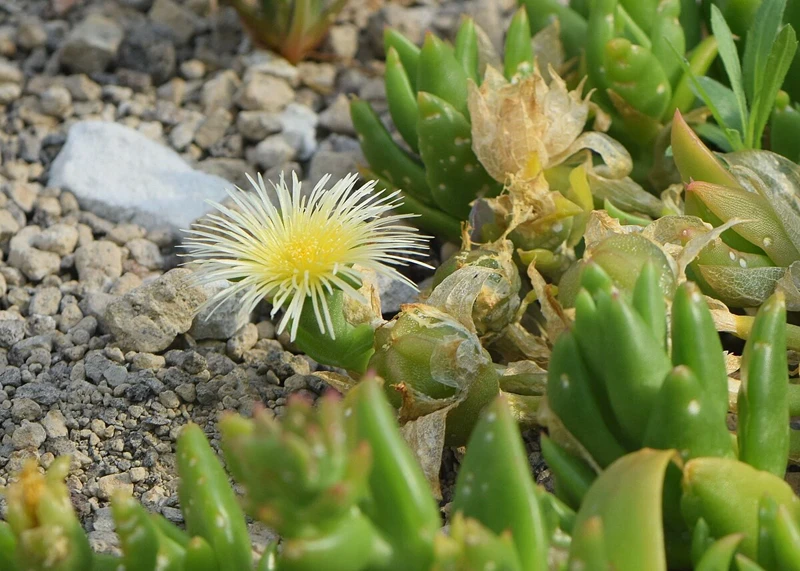
Sceletium tortuosum, also known as Kanna, Channa, or Kougoed (meaning “something to chew on” in Afrikaans), is a succulent plant native to South Africa. For centuries, the San and Khoikhoi peoples have revered Sceletium as a sacred plant, using it ceremonially and medicinally to enhance mood, reduce fear, and cultivate social connection. Traditionally, it was chewed, smoked, or made into teas and tinctures. Today, it is increasingly recognized worldwide for its potential to support mental and emotional wellbeing.

A Historical and Spiritual Legacy

The traditional use of Sceletium dates back to pre-colonial times, with references as early as the 17th century. The Khoisan communities of the Klein Karoo and Namaqualand used fermented Sceletium during trance dances and communal ceremonies, where it helped calm the nervous system, promote open-heartedness, and heighten spiritual awareness. The plant was so culturally significant that it was often traded for cattle and other goods.

Notably, Sceletium’s name is linked to the Eland, a sacred trance animal in Bushmen cosmology, often depicted in rock art as a symbol of fertility, rainmaking, and spiritual potency. This connection speaks volumes about the plant’s energetic and cultural importance.

The Rise of Sceletium in Modern Herbal Medicine

In recent decades, Sceletium has re-emerged in the spotlight as a potential natural alternative to pharmaceutical antidepressants and anxiolytics. As the world grapples with rising levels of stress, burnout, and emotional disconnection, more people are turning to ancient plant medicines for support.

Clinical and anecdotal evidence suggests that Sceletium may support:

  • Mild to moderate depression
  • Anxiety and social phobias
  • ADHD, by improving focus and reducing restlessness
  • PTSD and trauma integration
  • Seasonal Affective Disorder (SAD)
  • Emotional tension associated with menopause or hormonal imbalance
  • Addiction recovery, by easing withdrawal symptoms and cravings

How Sceletium Works: The Science Behind the Sacred

Sceletium contains several active alkaloids, including mesembrine, mesembrenone, and mesembrenol. These compounds interact with the brain in a variety of ways:

  • Selective Serotonin Reuptake Inhibition (SSRI): Mesembrine blocks the reuptake of serotonin, allowing for more of this feel-good neurotransmitter to be available in the brain — similar to pharmaceutical SSRIs but without the common side effects.
  • Serotonin Releasing Agent (SRA): Sceletium not only blocks reuptake but actively promotes the release of serotonin.
  • PDE4 Inhibition: Mesembrenone inhibits phosphodiesterase-4, an enzyme associated with inflammation, cognitive dysfunction, and depression. This dual mechanism supports neuroprotection, enhanced cognition, and mood regulation.
  • CB1 Receptor Modulation: Sceletium may also interact with endocannabinoid receptors, which influence mood, appetite, and pain perception (source).

Together, these actions make Sceletium a rare and powerful herbal ally.

Fermentation: The Key to Potency

The traditional Khoisan fermentation process is not just a cultural artifact — it’s also scientifically validated. Controlled studies have shown that fermentation significantly increases mesembrine levels, making the plant more effective as a mood modulator (source).

Benefits of fermentation include:

  • Enhanced alkaloid concentration
  • Improved bioavailability
  • Reduced gastrointestinal irritation

This is why quality Sceletium products, like the ReFocus range from Soul Awaken, use fermented plant material – enhanced with pure Sceletium extract..

Therapeutic Benefits of Sceletium

Mental and Emotional Wellness

  • Anxiety Relief: Helps calm racing thoughts, relax the nervous system, and create space for emotional clarity
  • Depression Support: Uplifts mood gently and sustainably
  • Cognitive Enhancement: Improves concentration, alertness, and long-term memory retention
  • Adaptogenic Action: Helps the body regulate stress responses and restore balance

Social and Spiritual Connection

  • Social Ease: Reduces social phobia and improves verbal fluidity
  • Heart-Opening: Promotes emotional vulnerability and deeper intimacy
  • Meditation and Yoga: Enhances presence, body awareness, and breath coordination
  • Trance and Visionary Use: At higher doses, Sceletium may induce mild empathogenic and visionary states, especially when combined with ceremony or other herbs

How to Use Sceletium

Sceletium is available in various forms: capsules, powders, tinctures, teas, and extracts. It may be taken:

  • Sublingually (under the tongue) for fast absorption
  • Orally, in capsule form
  • Smoked, traditionally in ceremony
  • Topically, in certain compounded blends

Recommended Microdosing Protocol:

  • Take 1 capsule in the morning for 2 days, then skip 1 day, and repeat
  • Adjust dosage based on individual sensitivity and strength (Light, Medium, Strong)

Always start low and go slow, especially with concentrated extracts.

Safety and Contraindications

  • Do not combine with SSRIs, SNRIs, or other psychiatric medications

  • Avoid during pregnancy or breastfeeding

  • Consult a health professional if treating clinical depression or anxiety

Final Reflections

Sceletium is not just a natural supplement; it’s a sacred plant ally with the potential to reshape how we relate to our emotions, our stress, and our inner world. Bridging the wisdom of the ancients with the needs of the present, Sceletium offers a path back to balance — one breath, one moment, one microdose at a time.

FAQ

1. What is Sceletium tortuosum and how does it work in the body?

Sceletium tortuosum, also known as Kanna, is a South African succulent that supports mood regulation by interacting with serotonin and dopamine systems. It acts as both a serotonin releasing agent (SRA) and a natural SSRI, while also inhibiting PDE4 — a process that enhances emotional resilience and mental clarity.


2. Can Sceletium help with anxiety and depression naturally?

Yes, Sceletium is widely used as a natural alternative to pharmaceutical antidepressants and anti-anxiety medications. Its active alkaloids help calm the nervous system, reduce emotional overwhelm, and uplift mood without causing dependency or harsh side effects.


3. Is Sceletium safe to use daily or for microdosing?

Sceletium is generally safe for daily use in microdoses, especially when fermented. Many people follow a protocol of 1 capsule in the morning for two days, followed by one day off. However, it should not be combined with SSRIs or psychiatric medications unless under medical supervision.


4. What’s the difference between fermented Sceletium and standard extract?

Fermented Sceletium has a higher concentration of active alkaloids like mesembrine, making it more bioavailable and effective. Traditional Khoisan fermentation also improves absorption and reduces digestive discomfort, making it the preferred option for long-term use.


5. Who should avoid taking Sceletium supplements?

Individuals taking pharmaceutical antidepressants (SSRIs/SNRIs), antipsychotics, or MAOIs should not use Sceletium unless advised by a healthcare provider. It’s also not recommended during pregnancy or breastfeeding due to limited research in these groups.

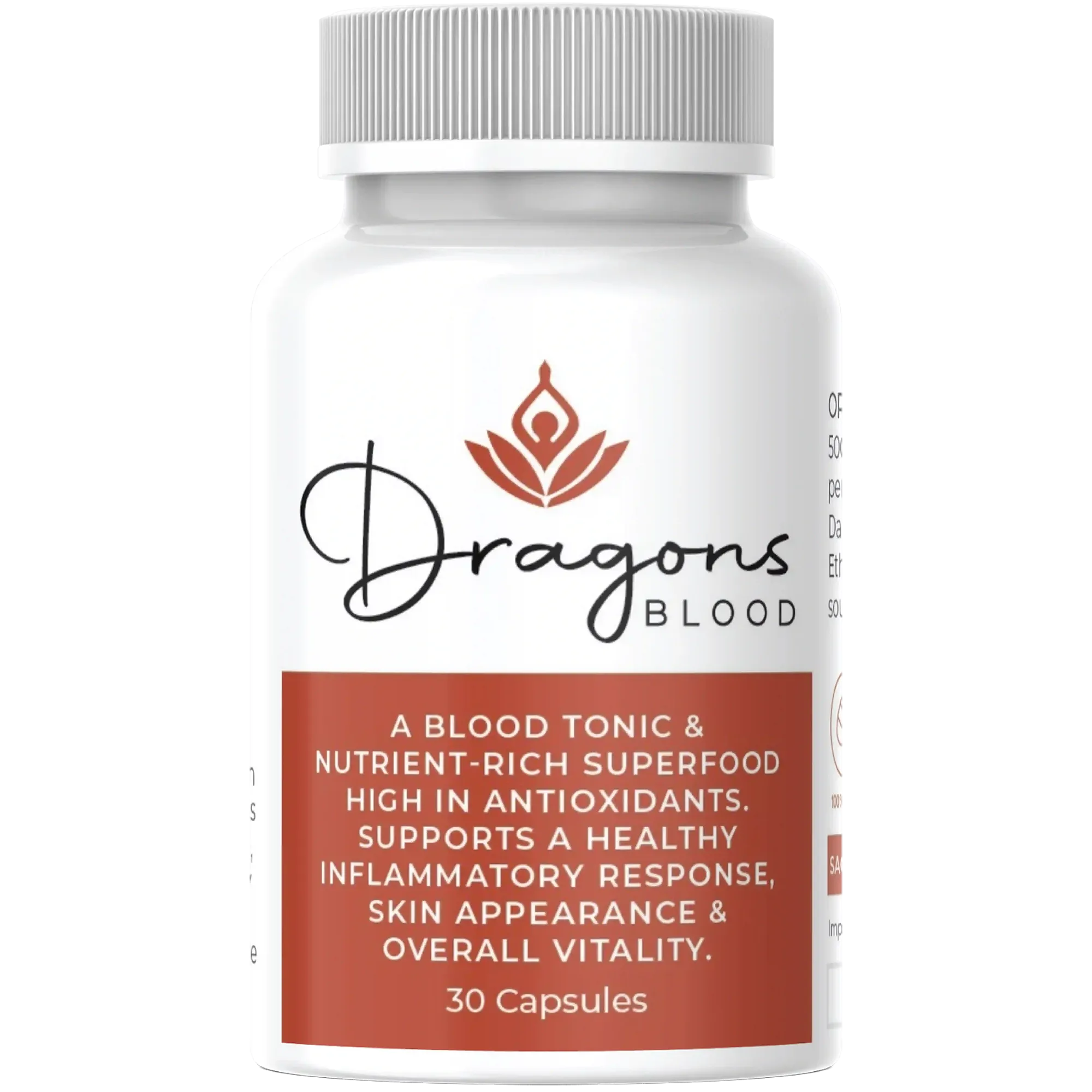
Dragon’s Blood: Ancient Healing Resin with Modern Benefits

Dragon’s Blood: Ancient Healing Resin with Modern Benefits

Dragon’s Blood tree (Dracaena) with deep red resin oozing from its bark, known for its powerful healing and medicinal properties

Dragon’s Blood is a bright red plant resin obtained from several tropical tree species—including Dracaena, Croton, Daemonorops, and Pterocarpus. Used since ancient times as a medicine, varnish, pigment, and dye, its dramatic color and extensive history have made it a subject of ongoing research in natural health. Today, Dragon’s Blood is gaining popularity as a natural remedy for its antibacterial, wound-healing, anti-inflammatory, and digestive benefits.

Dragon’s Blood is a deep red resin that oozes from tree bark when cut. Although medieval traders once attributed mythic qualities to its color, modern investigations show that its benefits are grounded in a rich composition of bioactive compounds.

For historical context, see Wikipedia’s Dragon’s Blood page.

Dragon's Blood Healing Properties & Uses

Antibacterial and Antifungal Effects

Dragon’s Blood is noted for its broad antimicrobial activity. Scientific reviews have found that its compounds can inhibit various bacteria and fungi.

  • Studies reported in the study “Antibacterial and Anti-biofilm Efficacy of Chinese Dragon’s Blood Against Staphylococcus aureus” published in Frontiers in Microbiology (Frontiers) demonstrate activity against many pathogens—with the exception of Salmonella.
  • Its effectiveness is attributed to a rich supply of flavonoids and antioxidants, which have been shown to contribute to its antibacterial and anti-biofilm properties, particularly in inhibiting Staphylococcus aureus and reducing microbial virulence factors (Frontiers).

Wound-Healing Abilities

One of the most well-known applications of Dragon’s Blood is its use as a natural wound-healing agent.

  • Indigenous communities have long applied the sap to cuts, burns, and insect bites to speed up healing.
  • When applied topically, it forms a protective “second skin” that helps stop bleeding and shields wounds from infection.
  • Research has identified taspine—an alkaloid in the resin—as a key component that promotes fibroblast migration and tissue repair. For example, see a study on PMC.
  • Many modern natural first-aid balms include Dragon’s Blood for these reasons.

Anti-Inflammatory Benefits

Dragon’s Blood contains several compounds with potent anti-inflammatory effects.

  • Taspine and proanthocyanidins help reduce inflammation by inhibiting pro-inflammatory cytokines and oxidative stress.
  • Clinical trials have shown reduced inflammation and pain in conditions like arthritis and fibromyalgia (Springer).
  • These properties not only aid wound healing but also support overall tissue repair.

Digestive Health: Ulcers and Diarrhea

Traditionally, Dragon’s Blood has been used to treat gastrointestinal issues.

  • It is known for its astringent properties, which can help control diarrhea by reducing excess fluid in the intestines.
  • In parts of South America, it has been used to treat dysentery and stomach ulcers.
  • Modern research led to the development of crofelemer—a standardized extract from Croton lechleri—which has been FDA approved for HIV-associated chronic diarrhea (PMC, Drugs.com).

Dragon’s Blood Potential Anticancer Properties

Preliminary laboratory studies suggest that certain compounds in Dragon’s Blood may have anticancer effects, although clinical evidence is very limited.

In vitro studies have shown that extracts can induce apoptosis in cancer cells, with research highlighting its potential anticancer properties through cytotoxic effects on malignant cells. However, further clinical studies are needed to confirm its efficacy and safety (PubMed, ScienceDirect, Frontiers).

Scientific Backing and Research

Modern scientific research supports many traditional claims about Dragon’s Blood:

  • Antibacterial Properties: Dragon’s Blood exhibits significant antibacterial activity, particularly against Staphylococcus aureus (Frontiers).
  • Wound Healing: Clinical trials have demonstrated its effectiveness in accelerating wound healing (PMC).
  • Anti-Inflammatory Effects: Research highlights its role in reducing inflammation through polyphenolic compounds (PubMed).
  • Digestive Health & FDA Approval: Crofelemer, derived from Dragon’s Blood, is FDA-approved for treating chronic diarrhea (PMC, Drugs.com).
  • Anticancer Potential: Studies suggest apoptosis-inducing properties in cancer cells (ScienceDirect, Frontiers, PubMed).
  • Antiviral Properties: Research indicates potential antiviral effects, particularly against herpes simplex (PMC).

Dragon's Blood Comparison with Other Natural Remedies

When comparing Dragon’s Blood to other natural healing agents, consider the following:

  • Wound Healing: Compared to Aloe Vera, which provides cooling and moisturizing effects, Dragon’s Blood forms a quick-drying protective seal that speeds up tissue regeneration (PMC).
  • Antibacterial Properties: While Manuka Honey has strong antimicrobial effects, Dragon’s Blood provides a broader spectrum of antibacterial and anti-biofilm activity, particularly against drug-resistant bacteria (Frontiers).
  • Anti-Inflammatory Benefits: Unlike Turmeric, which primarily acts systemically, Dragon’s Blood works both locally and internally, offering more targeted relief for wounds and inflammatory conditions (Springer).
  • Antiseptic Use: Compared to Tea Tree Oil, which can cause irritation, Dragon’s Blood is gentler on the skin while still providing long-lasting antimicrobial protection (PMC).
  • Digestive Support: Dragon’s Blood outperforms many herbal alternatives in treating chronic diarrhea due to crofelemer’s FDA-approved efficacy (PMC).

Who Should Use Dragon’s Blood

Dragon’s Blood is Beneficial For:

  • Natural Healing Enthusiasts: Individuals seeking plant-based solutions for wound healing, digestive support, and inflammation control.
  • Athletes and Fitness Enthusiasts: Those who frequently experience muscle soreness, minor injuries, or inflammation can benefit from Dragon’s Blood’s anti-inflammatory and wound-healing effects (Springer).
  • Individuals with Chronic Skin Conditions: People with eczema, psoriasis, or acne may find relief due to its antimicrobial and healing properties (PMC).
  • Frequent Travelers: Those who are prone to traveler’s diarrhea can benefit from Dragon’s Blood’s gut-protective effects (PMC).
  • Aging Adults: Its collagen-boosting properties can assist in maintaining skin elasticity and wound recovery (PubMed).

Use with Caution:

  1. Pregnant or Breastfeeding Women: Consult a healthcare professional due to limited safety data.
  2. Children: Use only under the guidance of a qualified practitioner.
  3. Individuals on Blood Thinners: Monitor use closely due to potential anti-clotting effects.

How to Use Dragon’s Blood Safely and Effectively

Dragon’s Blood Forms and Dosage

Dragon’s Blood is available in various forms:

  • Topical Applications: Creams, ointments, and salves for wound care.
  • Internal Supplements: Capsules, tinctures, or drops for digestive support.
  • Raw Resin: Can be used to prepare homemade remedies.

For topical use, clean the affected area and apply a thin layer (or a few drops of tincture) 1–3 times daily. For internal use, follow the dosage instructions on the product label. It is recommended to start with a lower dose and adjust as necessary.

Safety and Precautions

  • Topical Use: Conduct a patch test first to check for any adverse skin reactions.
  • Internal Use: Due to its potent nature, consult your trusted and informed healthcare professional, especially if you have pre-existing conditions or are taking other medications. For further guidance, feel free to contact us.
  • General Guidance: Do not rely solely on Dragon’s Blood for serious health conditions; it should be used as a complementary remedy alongside standard treatments.

Conclusion

Dragon’s Blood is a multifaceted natural resin with a long history in traditional medicine. Its antibacterial, wound-healing, anti-inflammatory, and digestive benefits are supported by both traditional use and modern research. While it is not a cure-all, responsible use of Dragon’s Blood can be a valuable addition to a natural health toolkit, complementing other treatments and lifestyle changes.

View Product

Complementary Natural Products

For a holistic approach to natural healing, consider integrating Dragon’s Blood with other potent natural remedies available through our online store

Pearl Powder: The Complete Guide to Nature’s Beauty & Wellness Secret

Pearl Powder: The Complete Guide to Nature’s Beauty & Wellness Secret

For centuries, pearl powder has been treasured as nature’s ultimate beauty and wellness supplement. From ancient Chinese emperors to modern skincare enthusiasts, this remarkable ingredient continues to prove its worth through both traditional wisdom and contemporary scientific research.

The Science Behind Pearl Power

Recent scientific discoveries have unveiled why pearl powder works so effectively with human biology. Pearl nacre contains unique biomineralization properties that enhance fibroblast regeneration and promote cellular communication. This natural compatibility explains its remarkable effectiveness in both traditional and modern applications.

Scientific Composition:

  • Calcium carbonate (primary mineral component)
  • 8 essential amino acids
  • Over 30 trace minerals
  • Bioactive compounds including:
    • Conchiolin proteins
    • Natural peptides
    • Nacre proteins

Comprehensive Benefits for Skin Health

Pearl powder’s effectiveness in skincare stems from its powerful combination of nutrients and natural compounds. Its benefits include:

Collagen Production

  • The powder naturally stimulates collagen synthesis, helping to maintain skin elasticity and reduce the appearance of fine lines.
  • Its unique protein structure supports the skin’s natural regeneration process.

Skin Brightening

  • Pearl powder helps achieve a more uniform skin tone by gently regulating melanin production.
  • Unlike harsh chemical brighteners, it works harmoniously with your skin’s natural processes to promote a healthy, radiant complexion.

Anti-Aging Properties

  • The antioxidant properties of pearl powder, particularly its superoxide dismutase (SOD) content, help protect skin cells from free radical damage. This protection is crucial for maintaining youthful, healthy skin.

Internal Wellness Benefits

Beyond its renowned beauty benefits, pearl powder offers significant internal health advantages:

Sleep Quality

  • Traditional Chinese Medicine has long used pearl powder to promote better sleep quality.
  • Its natural calming properties help reduce anxiety and promote relaxation, contributing to improved sleep patterns.

Bone Health

  • The highly bioavailable calcium in pearl powder makes it particularly effective for supporting bone health.
  • Its unique mineral composition mirrors human bone structure, enhancing absorption and utilization.

Cellular Regeneration

  • Studies conducted in Paris have shown that pearl nacre contains osteogenic properties that promote bone reformation and enhance mineralization. This regenerative capacity extends to various body tissues.

Hair Health Benefits

Pearl powder’s comprehensive nutrient profile makes it particularly beneficial for hair health:

Follicle Strengthening

  • The mineral-rich composition strengthens hair follicles from the root, reducing breakage and promoting healthier hair growth.

Growth Stimulation

  • Essential amino acids and proteins in pearl powder support the natural hair growth cycle, potentially increasing both thickness and length.

Scalp Health

  • Regular use helps maintain optimal scalp conditions through improved nutrient delivery and cellular regeneration.

Daily Pearl Powder Usage Tips (Capsules)

  • Take 1-2 capsules daily
  • Best taken with meals for optimal absorption
  • Can be taken morning or evening
  • Consistent daily use recommended for best results
  • Long-term use is safe and recommended for maximum benefits
  • Stay hydrated throughout the day

Topical Pearl Powder Application with Castor Oil

Castor oil’s unique molecular structure allows for deep penetration into the skin, making it an excellent carrier oil for natural supplements. Its occlusive properties help form a protective barrier while delivering nutrients to the skin.

When combined with pearl powder, this natural blend can be applied to the delicate under-eye area where castor oil’s anti-inflammatory properties may help reduce puffiness and improve skin texture. The combination of pearl powder’s minerals and amino acids with castor oil’s moisturizing benefits can help nourish the delicate skin around the eyes.

Expected Results and Timeline

Results typically appear within 2-4 weeks of consistent use, with benefits accumulating over time:

Week 1-2

  • Initial skin brightening
  • Improved sleep quality
  • Enhanced skin hydration

Week 3-4

  • Noticeable reduction in fine lines
  • Improved skin texture
  • Stronger hair and nails

Month 2+

  • Significant improvement in skin firmness
  • Enhanced overall complexion
  • Visible results in hair growth and strength

Modern Scientific Validation

Contemporary research continues to validate traditional uses:

Clinical Studies

– Confirmed antioxidant properties

– Verified calcium bioavailability

– Documented skin regeneration effects

Laboratory Analysis

– Identified active compounds

– Measured mineral content

– Verified safety profile

Conclusion

Pearl powder stands as a testament to the harmony between ancient wisdom and modern science. Its comprehensive benefits for skin, hair, and overall wellness, coupled with its safety profile and scientific backing, make it a valuable addition to any beauty and wellness routine.

If you’re unsure or have any questions, you can always book a consultation with us for personalized guidance. Remember to choose high-quality pearl powder and maintain consistency in usage to experience optimal results.

How to do a Coffee Enema

How to do a Coffee Enema

An enema is the injection of liquid through the rectum to motivate evacuation and system cleansing. Enemas are a valuable tool for cleansing your Liver and Colon and provide many additional benefits. But how can you perform one at home? Realistically, they are safe and easy when done correctly. If you want a quick, simple, and effective way of cleansing your liver, this article will show you how to perform a cleansing retention enema.

The Liver and Colon is a part of the digestive system and are responsible for extracting the water and salt to maintain body’s electrolyte balance, from waste, prior to release. The colon can be clogged due to waste clinging to its walls. This can cause:

  • headaches
  • low energy level
  • vomiting
  • weight gain
  • skin allergies
  • constipation
  • joint pains
  • indigestion
  • fatigue
  • diarrhoea
  • vision problems
  • loss of memory
  • stress
  • bloating
  • etc.

It can also lead to various diseases such as heart problems, asthma, gall bladder stones, skin allergies, kidney and liver ailments as well as cancer.

Step 1 – Understand what a cleansing enema is

A cleansing enema is designed to be quick and effective, helping to evacuate the colon and provide a thorough cleanse. This process can support overall digestive health, relieve constipation, and improve detoxification. Different types offer specific benefits depending on the solution used:

  • Salted (Saline) Water: Helps cleanse and hydrate the colon, promoting overall gut health.
  • Coffee: Supports liver and gallbladder function by stimulating bile flow and detoxification.
  • Green Tea: Known for its antioxidant properties, a green tea enema helps reduce inflammation, cleanse the colon, and supports a gentle detox process. The catechins in green tea may aid in removing toxins while providing a calming and revitalizing effect.
  • Chamomile Tea: Soothes the colon, reduces inflammation, and improves relaxation, aiding in better sleep and overall calmness.

Each type is tailored to address specific health needs, making them a versatile tool for enhancing your body’s natural cleansing processes.

Step 2 – Gather your supplies

Performing an enema to encourage evacuation is straightforward, but you’ll need a few essential supplies:

  •  A couple of large, old towels or bath mat
  • ¼ teaspoon of organic almond oil, olive oil, or coconut oil for rectal lubrication
  • One liter boiled spring water
  • Organic ground coffee
  • An enema kit
  • A plunger
    Soul Awaken | Healing at the deepest level | Detox | Retreat | Organic | Natural | Wellness | Gut | Body | Mind | Soul | Herbal | Holistic | Alternative medicine | Nature | Parasite | Cleanse | Rejuvenate | Detoxify | Reconnect | Spiritual | Monatgu

    optional add-ons

    • Diatomaceous Earth: 1 tablespoon for detoxification
    • Activated Charcoal: 1 flat teaspoon to absorb toxins
    • Liquid Probiotic: 1 tablespoon to support gut health
    • Vitamin C: A small amount for its antioxidant properties

    Step 3 – Prepare the coffee for the Liver Cleanse Enema

    • In your plunger, add 1 tablespoon of organic ground coffee per liter water.
    • Do not add the optional ingredients to the just boiled water!
    • Steep for at least 10 minutes and allow to cool – temperature should be just warmer than body temperature. Too cool or too hot will cause you to expel too soon (too hot can burn you obviously, so aim for just warmer than lukewarm).
    • Add your optional ingredients.

    Step 4 – Prepare the area where you will do the enema

    • Fold any towels on the bathroom floor close to the toilet to lie on – Make it a comfortable experience.
    • Hold the insertion end of the tube over the bathtub or toilet.
    • Open the clamp to let the liquid travel through the tube until it comes out to get rid of air pockets in the tube.
    • Clamp the tube to stop the flow.
    • Use some coconut or olive oil to lubricate the insertion tip on the end of the enema tube and onto the rectum.

    Step 5- Insert the tip and let fluid run into rectal passage by gravity

    • Lie on your back, with your knees drawn towards your chest. (Alternatively stand on your hands and knees and insert the pipe tip behind)
    • Depending on your comfort level or size, it is best to lie on your left side with your knees drawn so that your upper legs form a 90° angle with your body, for easy insertion  (This way people also find it easier to take in more liquid while resting on their L side).
    • Once you are comfortable, insert the nozzle about 5-7 cm into the rectum.
    • Stop if you feel any resistance and adjust the angle slightly until you can easily slide the nozzle in – do NOT force it in.
    • Release the clamp OR open the tap (OR squirt in the liquid) depending on the equipment you have to run coffee enema in. Go slowly, gravity is best, as going too quickly can create the need to evacuate immediately.

    Step 6 – Hold coffee (liquid) in for up to 15 minutes

    • The key to a successful enema is to take in and hold in the liquid until the body’s natural peristaltic movements begin. If you experience cramping, clamp the tube and take a deep Breath before continuing. Lightly massaging abdomen will also help.
    • Take in from 250ml – 500ml coffee (if you are new to it) up to 1 liter of fluid.
    • Once the fluid has run in, gently close the flow and remove the nozzle.
      **It is easier to run 1 liter of enema liquid into you when your bowel has moved prior to doing the enema.
    • Lie down on the floor on your left side (if you let the coffee run into you in any other position).
    • Lying first on your left side for up to 5 minutes, then 5 minutes on your back, then 5 minutes on your right side before evacuating into the toilet.
    • Work your way up to retaining the enema for 15 minutes when new at doing them – starting with 2 minutes per side…

    Step 7 – Expel into toilet

    • After you have retained the liquid for several minutes, sit on the toilet, relax and release.
    • Wait until you can expel all that you are urged to release

    Final Step – You’re done; Clean the equipment

    • Clean your equipment by rinsing with hot water. Extra sterilization can be done by washing with a Hydrogen peroxide water solution or a white vinegar water solution
    • Allow it to air-dry before storing. Wash your hands when you have finished.

    9 Tips for Success

    #1 — Do your coffee enema after you’ve had a snack or meal with protein. The best time of day for me is right after I’ve had lunch, around 1:00 p.m.

    #2 — Your liquid should be neither too hot nor too cold. Too hot, and you risk burning yourself or the inside of your colon. Ouch. Too cold, and it can be very difficult to retain and may cause cramping.

    If you can’t comfortably hold your finger in the coffee + water mix, it’s too hot to go up your bum.

    #3 — Remove all air from the enema hose. After you fill the bag with coffee, release the valve and allow the coffee to flow out and come out the end of the hose first. Then the lines are all clear and you won’t get an uncomfortable air bubble.

    #4 — Lay on your right side during the enema. The coffee travels up the transverse colon (on your left side) and to the portal vein of the liver/gallbladder (on the right side).

    #5 — Massage your tummy if you feel any cramping. Cramping is almost always caused by gas built up in the large intestine or air from the enema tube. Rolling on to your back or to your left side will often alleviate the cramping, as will a light tummy massage. Alternatively, closing your eyes and doing some deep breathing can really help to calm the urges to go before your 10 minutes are up — and also for making it through waves of nausea (because they sometimes happen).

    Of course, don’t force yourself to hold the enema in if you become too uncomfortable! Just get up and go!

    #6 — You may hear or feel a gurgle under the upper right side of your rib cage. This is good! That is your gallbladder releasing a big squirt of bile — and a sign that the coffee enema has dilated the portal vein and is doing its job.

    #7 — Get comfortable! You’re going to be on your bathroom floor for a while. I like to read a book or watch Netflix on my iPad during my coffee enema. You may like to lay down and enjoy the quiet, listen to an audio book, or meditate. How you spend your 15-30 minutes is totally up to you!

    #8 — Sometimes leaks happen; use an old towel under yourself. If I said leaks never happen, I’d be lying. So be prepared with a towel underneath you. Some folks like to lie in their bathtubs. This is fine, but it’s not for me as I am most comfortable when I can be totally flat on my right side. Just be near your toilet!

    #9 — Drink plenty of water after your enema and have another light snack. Facilitate further detox by adding a pinch of salt and lemon juice to your water and also to keep your electrolytes balanced.

    Natural Antibiotic

    Natural Antibiotic

    A Powerful Home Remedy for Boosting Immunity

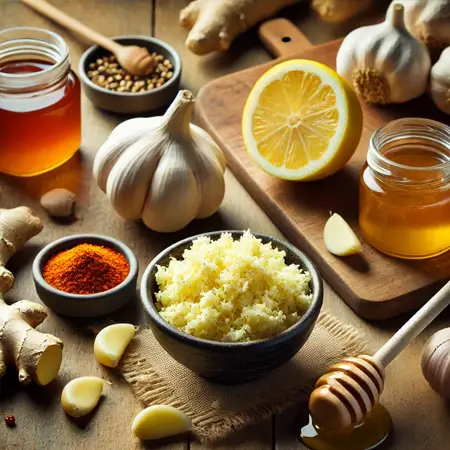
    In times when you need an extra boost for your immune system, this natural antibiotic recipe comes to the rescue. Drawing from the wisdom of holistic healing, this blend of simple yet potent ingredients works to support your body’s natural defenses against infection. Unlike conventional antibiotics, this remedy uses nature’s powerful elements to heal without disrupting the balance of your gut microbiome.

    Ingredients and Healing Benefits

    Garlic: Known as nature’s antibiotic, garlic is rich in allicin, a compound that fights bacteria and boosts immunity. To maximize its benefits, let freshly grated garlic stand for 10 minutes before consumption to activate the allicin.

    Ginger: A powerful anti-inflammatory and antioxidant, ginger helps soothe the stomach, aids digestion, and enhances the body’s ability to fight infections.

    Lemon: Loaded with vitamin C, lemon helps alkalize the body, boosting your immune system while also aiding in digestion and detoxification.

    Cayenne Pepper: This spicy addition stimulates circulation, increases metabolism, and enhances the effects of other ingredients while fighting off bacteria.

    Honey: Natural and soothing, honey has antibacterial properties that help calm the throat and support the immune system.

    Instructions

    • Stir well and swallow down in a swig. (If you have only garlic, use only garlic. Let it stand for 10min before drinking to activate the compound Allicin which is the active component to fight off bacteria)
    • Repeat 3x per day for minimum of 5 consecutive days

    Important Tips for Best Results

    • Consume with Meals: This remedy should be taken with a meal, a full glass of water, tea, or soup to protect your stomach lining.
    • Avoid Certain Foods: Eliminate meat, dairy, sugar, and bread from your diet for at least five days to reduce inflammation and allow your body to focus on healing.
    • Enhance Your Environment: Place a raw onion cut in half next to your bed to help absorb airborne bacteria, and air out your pillows in the sun daily to keep them fresh and free from harmful pathogens.
    • Stay Hydrated: Drink a glass of water every hour, adding a pinch of Himalayan salt to enhance the water with essential minerals and electrolytes, supporting efficient detoxification.

    Embrace this natural remedy as part of your holistic health journey, supporting your immune system in a gentle yet powerful way. Book an consultation if you’d like personalized guidance or contact us if you have any questions, we are here to help you on your path to wellness.